
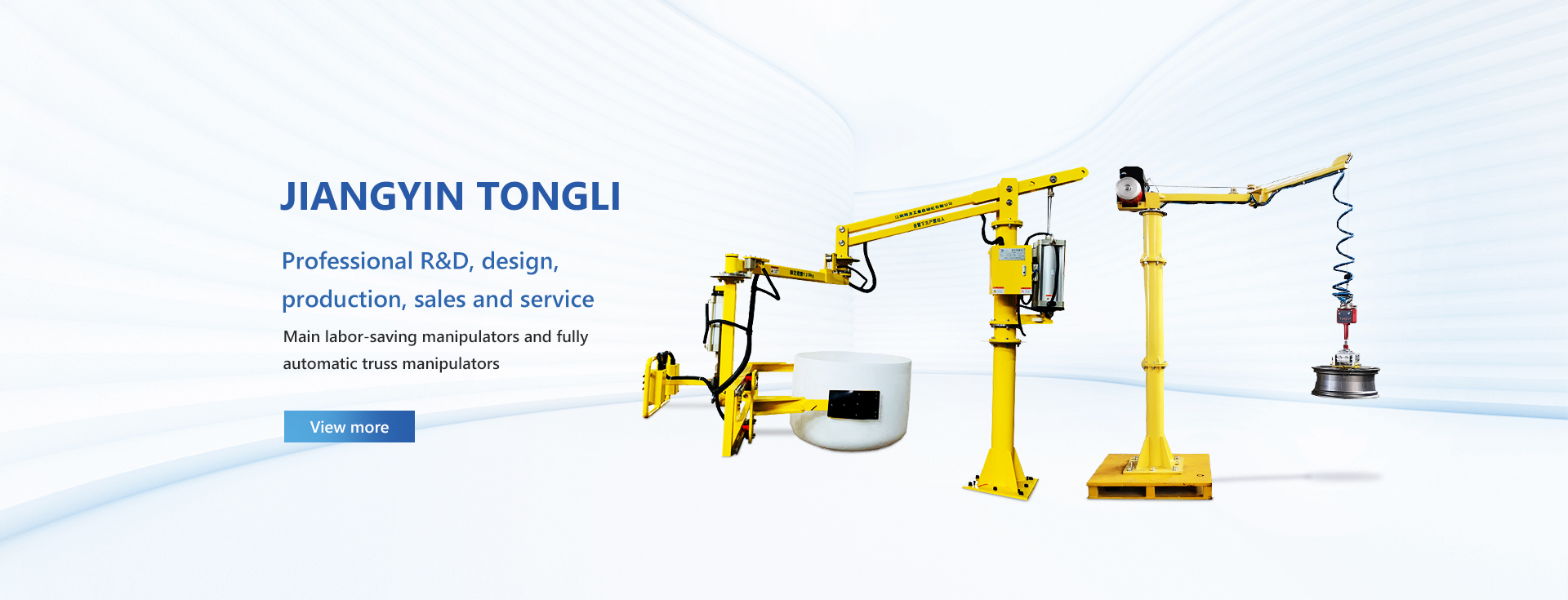
High-Quality Food Handling Manipulator: Trusted Supplier Solutions
As a B2B purchaser, I understand the importance of reliable equipment in food processing. Our Food Handling Manipulator is a game-changer for improving efficiency and ensuring high standards of hygiene. Made with premium materials, it guarantees durability and ease of use, which I often find essential in busy environments. When sourcing high-quality solutions, I always prioritize suppliers that offer robust support and expertise, and I truly believe this manipulator stands out. It’s designed to streamline food handling processes, reducing the risk of contamination and enhancing workplace safety. Thanks to its ergonomic design and impressive load capacity, it significantly minimizes physical strain on workers, allowing them to focus on productivity. I’ve seen firsthand how investing in the right equipment can elevate operational standards and I’m confident this Food Handling Manipulator can do just that for your business.


Food Handling Manipulator Supplier Industry Giant
In the rapidly evolving world of food handling and processing, ensuring the highest standards of hygiene and efficiency is paramount. As global demands for safer food practices rise, the role of advanced manipulators and handling systems has become increasingly critical. These systems not only enhance productivity but also significantly reduce the risk of contamination during processing and packaging. For companies dedicated to quality and safety, investing in cutting-edge food handling manipulators is essential. The industry is witnessing a surge in innovation, with suppliers focusing on automation and intelligent design to meet diverse operational needs. From robotic arms capable of precise movements to conveyor systems that seamlessly integrate with existing workflows, the advancements in technology are redefining best practices in food handling. By adopting these solutions, businesses can optimize their operations, ensuring consistent product quality while adhering to stringent food safety regulations. For global buyers, sourcing reliable and advanced food handling systems is crucial. Engaging with suppliers who understand the complexities of the food industry and offer tailored solutions can make a significant difference. By prioritizing suppliers that emphasize technological innovation and compliance with food safety standards, procurement professionals can enhance their supply chain resilience and ultimately deliver superior products to their customers.
Food Handling Manipulator Supplier Industry Giant
| Dimension | Detail |
|---|---|
| Market Segment | Food Processing |
| Product Type | Automated Food Handling Systems |
| Functional Areas | Packaging, Sorting, and Quality Control |
| Technology Used | Robotics, AI, and Machine Learning |
| End Users | Food Manufacturers, Distributors, and Warehouses |
| Geographical Reach | Global, with a focus on North America and Europe |
| Sustainability Practices | Energy-efficient operations and waste reduction |
| Certification Standards | ISO 9001, HACCP, and FDA Compliance |
Related Products


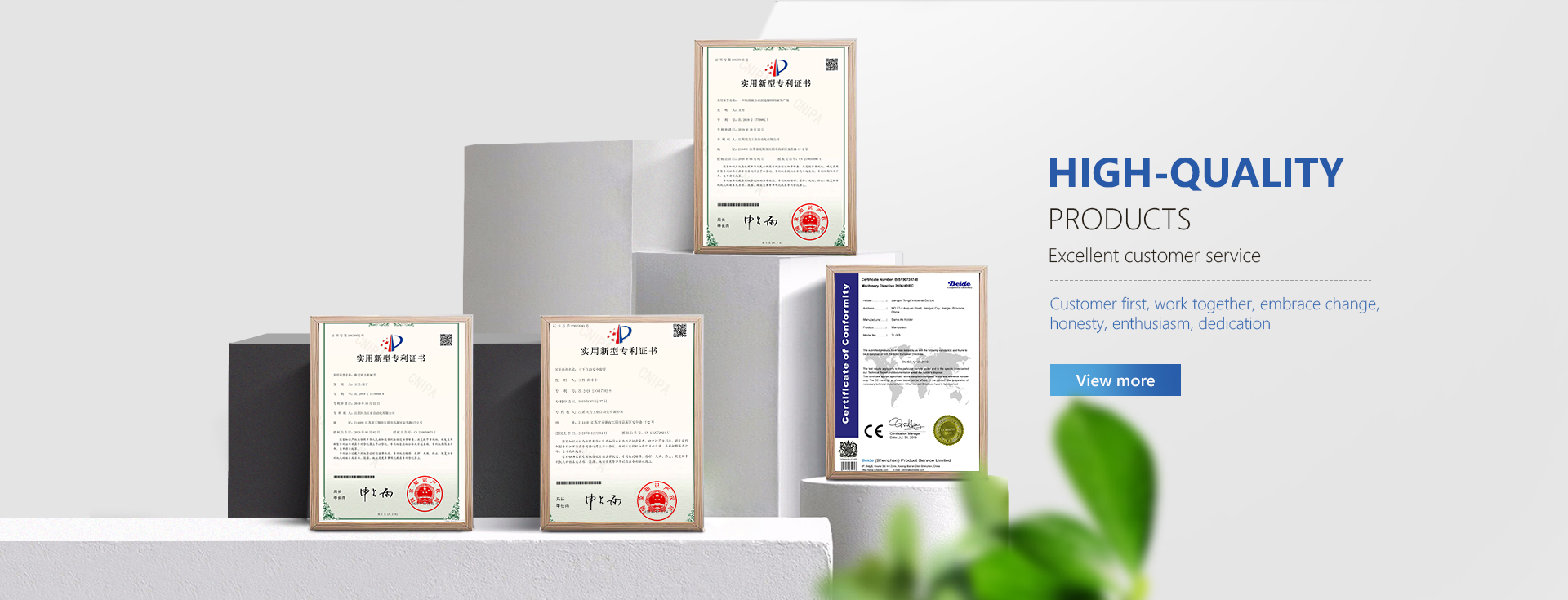
Food Handling Manipulator Products Industry Leaders
Top Selling Products


- Related Blog
- Reviews
