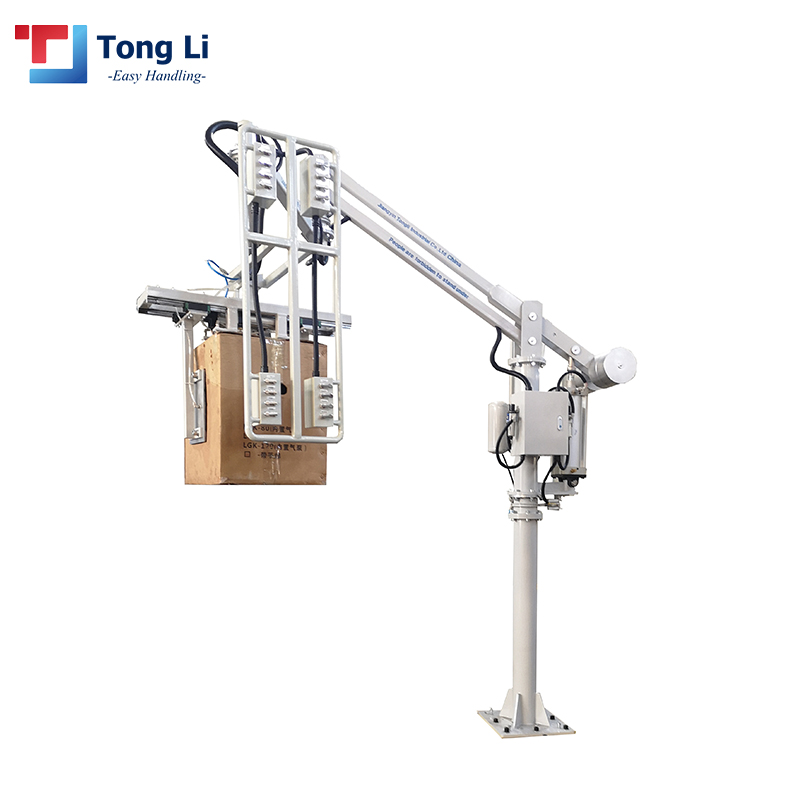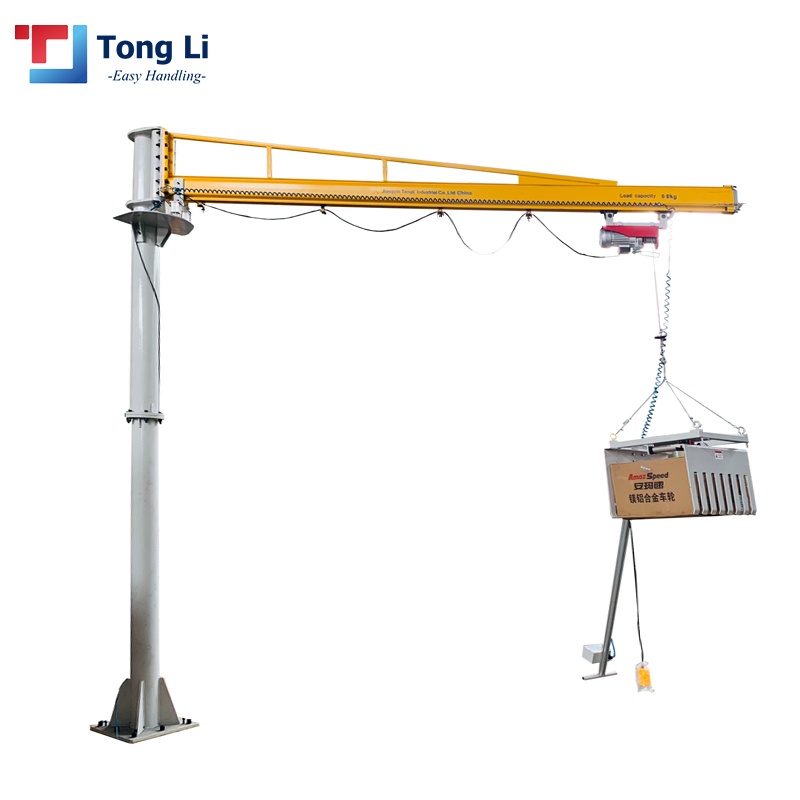


Workpiece Handling Manipulator
Core Functions and Benefits
The primary purpose of these devices is to improve workstation ergonomics and operational productivity. By offsetting the weight of a workpiece, they help prevent musculoskeletal disorders (MSDs) in workers.
Load Balancing: Many manipulators feature “zero-gravity” or weight-balancing technology (often pneumatic or electronic), allowing an operator to move hundreds of kilograms with minimal physical effort.
Precision Positioning: They allow for accurate, consistent placement of parts, which is critical for machine tending (e.g., loading a CNC lathe) or complex assembly tasks.
Safety: They remove workers from hazardous zones, reduce the risk of crush or pinch injuries, and decrease fatigue-driven errors.
How They Interface with Workpieces
The “end-effector” or gripping tool is the part of the manipulator that makes direct contact with the workpiece. Customization is key here, with common options including:
Vacuum Grippers: Ideal for flat, smooth, or fragile materials like glass, sheet metal, or cardboard boxes.
Mechanical Clamps/Grippers: Best for heavy, rigid, or irregular parts that require a secure physical grip.
Magnetic/Electromagnetic: Specifically for ferrous metal components.
Hooks or Specialized Cradles: Used for moving components with specific attachment points, like engine blocks or large castings.
Industrial Applications
Machine Tending: Automatically loading/unloading parts into CNC machines or presses.
Automotive Assembly: Positioning heavy components like doors, engines, or battery modules.
Packaging & Palletizing: High-speed handling of bags, boxes, and drums.
Foundries & Metal Fabrication: Maneuvering hot or heavy steel plates, beams, or castings.