

In modern textile manufacturing, garment production, and industrial fabric converting, handling heavy, bulky rolls of material presents a constant operational challenge. Standard fabric rolls can weigh anywhere from 50 kg to over 500 kg, making manual lifting not only inefficient but also a primary cause of workplace injuries and material damage.
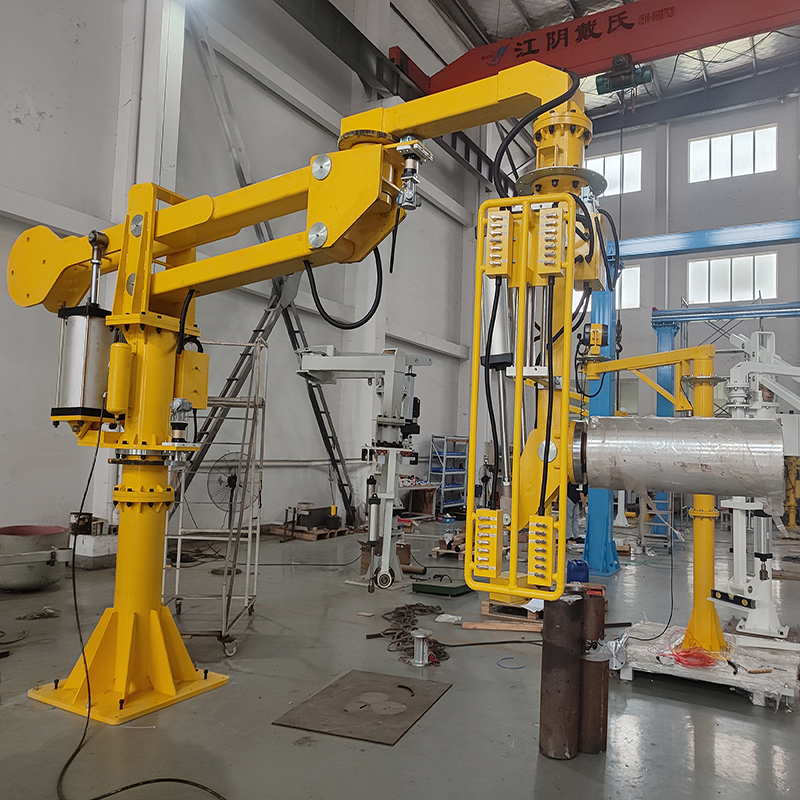
Implementing a dedicated fabric roll lifter or pneumatic manipulator transforms roll-handling operations into a seamless, ergonomic, and one-person task. Professional material handling equipment, such as the solutions designed by TL Manipulator, helps facility managers optimize throughput while ensuring strict adherence to workplace safety standards.
Why Modern Textile Facilities Require Dedicated Fabric Roll Lifters
Textile processing involves frequent loading and unloading of fabric rolls onto cutting tables, unwinding stands, dye machines, and storage racks. Manual handling or using ill-fitted overhead cranes often leads to bottlenecks and safety risks.
1. Superior Ergonomics and Injury Reduction
Musculoskeletal disorders (MSDs) from repetitive heavy lifting account for significant downtime and worker compensation claims in manufacturing. A pneumatic or electric fabric roll lifter neutralizes the weight of the load, allowing operators to position heavy rolls effortlessly with minimal physical strain.
2. Protection Against Material Damage
Fine textiles, technical fabrics, and delicate non-woven materials are susceptible to creasing, fraying, or core crushing when handled with general-purpose forks or chains. Specialized fabric roll lifters utilize expansion core grippers, soft-padded clamps, or cradles designed specifically to grip rolls from the inside core or uniform outer circumference without causing surface defects.
3. Precision Positioning and 90° Tilting Capabilities
Loading a fabric roll onto a narrow machine mandrel requires millimetric accuracy. Advanced roll handling manipulators feature powered 90-degree pitch and tilt functions, enabling smooth transitions from vertical storage pallets to horizontal machine feeding spindles.
How to Select the Right Roll Handling Solution for Your Operation
Selecting the optimal equipment requires assessing four core parameters:
-
Roll Dimensions & Weight Range: Calculate the maximum diameter, width, and weight of the heaviest rolls used in your production lines.
-
Core Diameter Specifications: Ensure the gripper mechanism (e.g., 3-inch or 6-inch pneumatic expanding shafts) matches your standard paper or plastic cores.
-
Workspace Geometry: Determine whether a column-mounted articulated arm, overhead bridge crane integration, or mobile cart design fits your facility floor plan.
-
Duty Cycle & Power Source: Decide between pneumatic power (ideal for explosion-proof environments and continuous operation) or electro-hydraulic systems depending on available plant utilities.
Conclusion
Investing in an ergonomic fabric roll lifter is a strategic upgrade that directly boosts productivity, lowers operational risk, and safeguards high-value textile materials. By replacing manual labor with specialized, precision-engineered manipulators like those available from TL Manipulator, manufacturers can achieve higher line efficiency and foster a safer, more sustainable working environment.
Post time: Aug-06-2026