

In modern manufacturing, warehousing, and heavy logistics, manual material handling remains one of the largest contributors to workplace injuries and operational bottlenecks. Heavy repetitive lifting, awkward positioning, and cumbersome manual load rotation significantly slow down cycle times and lead to costly downtime.
Integrating a vacuum lift assist into your production or assembly pipeline addresses these issues directly. By combining pneumatic leverage with specialized vacuum suction technology, these systems allow a single operator to grip, lift, rotate, and place heavy or awkward materials effortlessly.
For custom ergonomic handling solutions engineered for complex operational environments, explore advanced lifting systems at TL Manipulator.
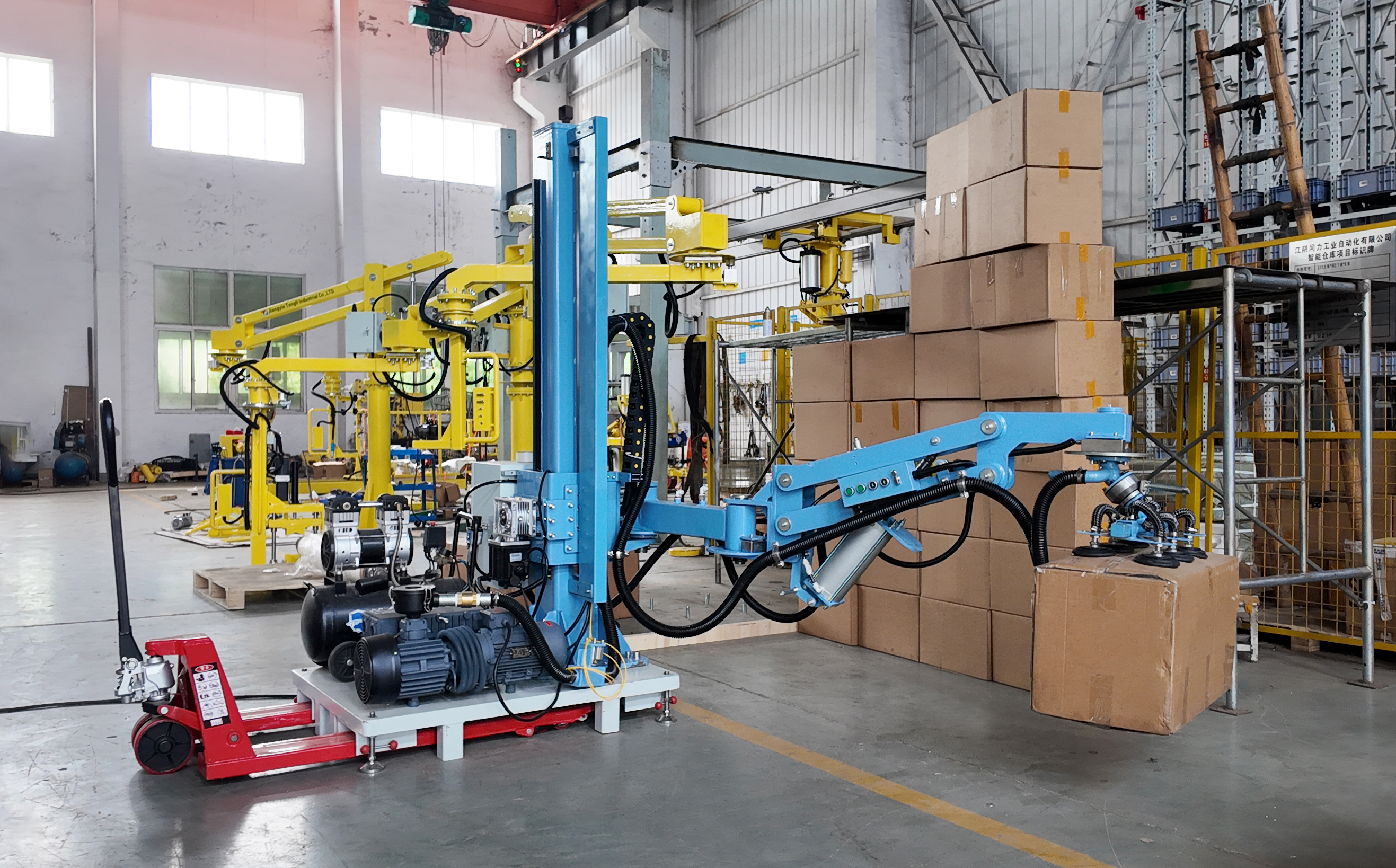
How Vacuum Lift Assist Technology Works
A vacuum lift assist system utilizes a centralized vacuum generator or pump connected to specialized suction pads or flexible tube lifters.
-
Instant Attachment: Once the suction cups make contact with the material surface, atmospheric pressure seals the load instantly.
-
Zero-Gravity Weight Compensation: Pneumatic control valves regulate the internal vacuum pressure or leverage a counterbalancing system, making heavy payloads feel weightless to the operator.
-
Controlled Maneuvering: Intuitive ergonomic handle controls allow operators to raise, lower, tilt, or rotate loads up to 360 degrees with precise positioning and minimal physical exertion.
Key Industrial Benefits
1. Reduced Ergonomic Strain and Injury Risk
Musculoskeletal disorders (MSDs) account for a significant portion of worker compensation claims in industrial settings. A vacuum lift assist eliminates repetitive bending and strain on workers’ back and shoulder muscles.
2. Enhanced Throughput and Productivity
Tasks that previously required two or three workers to move large sheets, boxed goods, or awkward components can now be handled by a single operator in less time.
3. Surface Protection for Delicate Materials
Unlike mechanical clamps, steel chains, or forks, soft rubber or silicone vacuum suction cups grasp materials without scratching, denting, or damaging sensitive surfaces such as polished sheet metal, finished glass, or coated panels.
Core Applications Across Key Sectors
| Industry | Application Examples | Common Payload Types |
| Metal Fabrication | Loading laser cutting tables, moving sheet metal | Stainless steel, aluminum, composite plates |
| Logistics & Warehousing | Palletizing, depalletizing, sorting packages | Corrugated cartons, sealed bags, wooden crates |
| Automotive Assembly | Positioning body components, glass installation | Windshields, door panels, engine hoods |
| Chemical & Food Production | Raw material processing, container handling | Heavy drums, multi-ply paper sacks, plastic tubs |
Choosing the Right Vacuum Lifting Configuration
When selecting a vacuum lift assist for your facility, consider the following technical variables:
-
Payload Weight & Shape: Ensure the lifting capacity matches peak requirements and that suction pad arrays cover the geometry of the load.
-
Surface Porosity: Non-porous materials (glass, metal) require standard vacuum generation, while porous materials (cardboard, wood) may require high-flow vacuum pumps.
-
Mounting Infrastructure: Options include floor-mounted pillar jib cranes, overhead track systems, or mobile trolley bases depending on facility spatial constraints.
Post time: Sep-02-2026