

Picking the right Automatic Palletizing System is a pretty big deal for any business. I mean, as John Smith from Automated Solutions Inc. puts it, “Getting the right system can totally transform how efficient your production lines are.” That really underscores just how important it is to weigh your options carefully.
Every automatic Palletizing System out there has its own set of features. Things like load capacity, how flexible it is, and how fast it works – those are all super important factors to think about. It’s not a one-size-fits-all thing. You’ve gotta look at what your specific needs are and find a system that matches up. Just because a certain system works wonders for one company doesn’t mean it’ll be perfect for another. Plus, you’ve got to ensure that whatever you choose fits in smoothly with your existing setup—no point in disrupting a well-oiled machine.
And hey, a good system shouldn’t just boost productivity; it should also help you tackle potential issues down the line. Honestly, some businesses overlook routine maintenance and training—that’s a mistake. A solid plan for ongoing support is key to keeping everything running smoothly. Reflecting on past experiences can be super helpful too—what has worked for you before? Finding that sweet spot between efficiency and flexibility is really the secret sauce when choosing your ideal Automatic Palletizing System and making sure it genuinely helps you hit your goals.
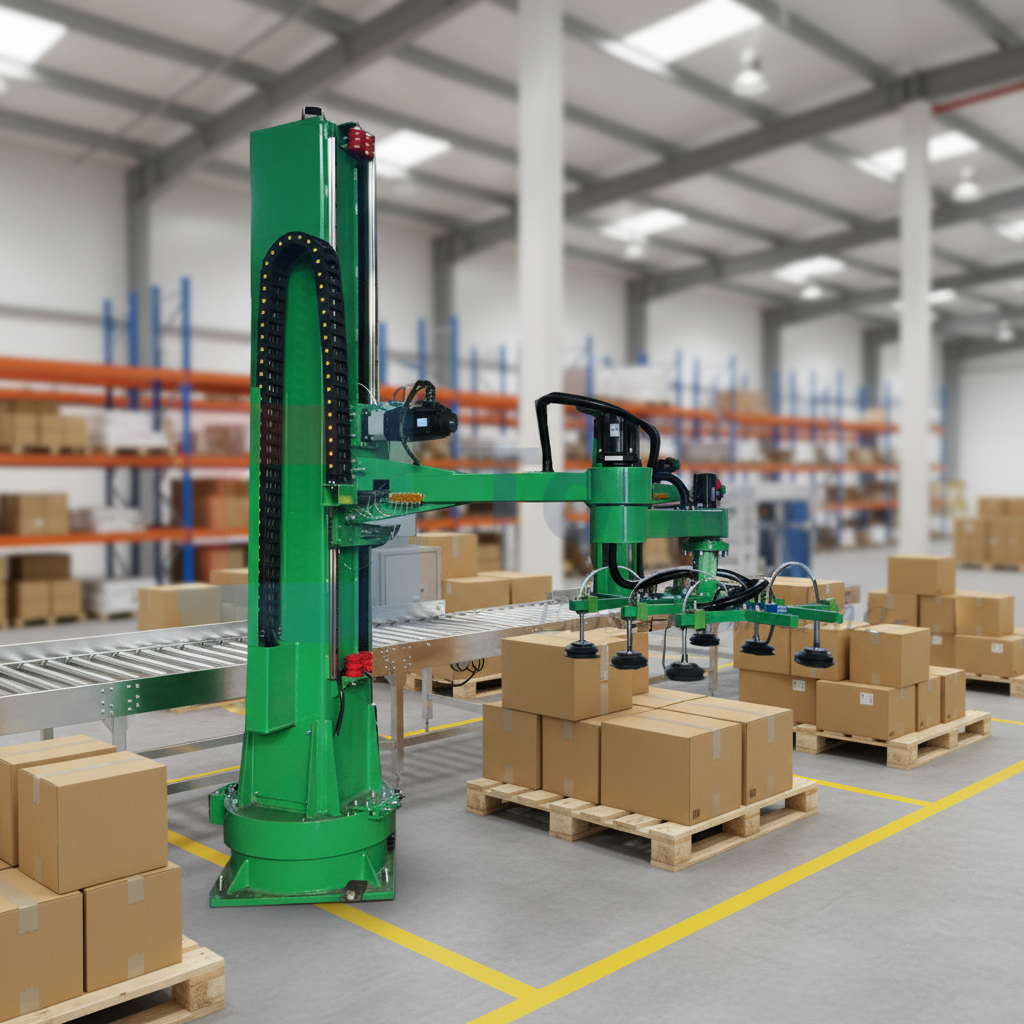
Understanding Automatic Palletizing Systems: An Overview of Types
Automatic Palletizing Systems play a crucial role in modern manufacturing and logistics. Various types exist, catering to different operational needs. For instance, a Fully Automatic Robotic Palletizing System uses advanced robotics to handle products efficiently. According to industry reports, this technology can increase production speed by 50%, drastically reducing labor costs.
Generally, there are three main types of palletizing systems: conventional, semi-automatic, and fully automatic. Conventional systems often require significant manual intervention. Semi-automatic systems reduce this need but still rely on human operators for certain tasks. Conversely, fully automatic systems minimize human involvement, enhancing precision. A report by Market Research Future found that nearly 70% of manufacturers are shifting towards automated solutions due to improved accuracy and reduced wastage.
Despite these advancements, challenges remain. Some facilities face integration issues when transitioning to automatic systems. Additionally, maintenance of complex robotic technologies can be resource-intensive. Not all products can be handled effectively, especially irregular shapes. Businesses must weigh these factors against the benefits of automation to make informed choices.
Key Factors to Consider When Selecting a Palletizing System
When choosing an automatic palletizing system, several key factors come into play. The type of products you handle is vital. For example, bulky items require robust handling solutions. Smaller, lighter products might prefer gentler systems. Consider the speed of operation. A high-speed line demands efficiency, but ensure it doesn’t compromise quality. Sometimes, faster isn’t better; errors can increase.
Another aspect is layout flexibility. A system should adapt to your facility’s space. The ability to integrate seamlessly with existing equipment is crucial. If it doesn’t fit well, you might face complications. Employee training is often overlooked. A sophisticated system can confuse staff. If training isn’t thorough, mistakes can occur.
Maintenance requirements are also significant. Some systems may need constant attention; others are more self-sufficient. Balancing initial costs with long-term upkeep is essential. Finally, consult with your team. Their insights can highlight needs you might forget. Involving them fosters understanding but also reveals gaps in communication. Each factor matters and requires careful meditation.
Analyzing Throughput Requirements for Efficient Palletizing
When analyzing throughput requirements for efficient palletizing, it’s crucial to assess your production volume. Understanding how many pallets are needed daily will help select the right system. While some may overestimate, it’s better to analyze data realistically. The goal is to avoid bottlenecks and maintain a steady workflow.
Consider the speed of the ODM Fully Automatic Robotic Palletizing System. These systems can significantly enhance productivity. They can handle various payloads and formats. However, they may not always fit every operational need. It’s essential to evaluate the specific characteristics of your products. The correct throughput can vary based on configuration and layout.
Some companies overlook the importance of flexibility. As production lines evolve, so do requirements. An automatic system should adapt to changes easily. If not, delays can occur, impacting overall efficiency. A careful review of current and future needs is necessary. Balancing speed, flexibility, and capacity is key to getting the best out of any palletizing solution.
Palletizing System Throughput Analysis
| System Type | Max Throughput (BPH) | Pallet Size (inches) | Footprint (sq ft) | Automation Level |
|---|---|---|---|---|
| Articulated Robot | 1200 | 48 x 40 | 200 | High |
| SCARA Robot | 900 | 48 x 40 | 150 | Medium |
| Column and Gantry | 800 | 40 x 48 | 250 | High |
| Layer Palletizer | 1500 | 42 x 48 | 300 | Medium |
| Custom Automated System | 2000 | 48 x 40 | 400 | High |
Evaluating Space Constraints and System Footprint
When evaluating automatic palletizing systems, space constraints are crucial. A system’s footprint can impact your warehouse layout and efficiency. Most facilities do not have endless space. You must optimize the area you have. According to the Material Handling Industry, 77% of companies faced storage issues due to poor layout. Therefore, considering the height and width of your equipment is essential.
Incorporating a China Fully Automatic Robotic Palletizing System can save significant floor space. These systems often require less area than traditional solutions. They are designed to fit into tight locations while maintaining high productivity. However, buyers should remember that squeezing units into smaller spaces might limit accessibility for maintenance. This could lead to future downtime.
Tip: Always measure your available space before selecting a palletizing solution. Create a detailed layout plan. Consider how materials enter and exit the area. Ensuring easy access can prevent operational bottlenecks. Furthermore, consult industry reports to track trends and projections. This data can guide your decision-making process better.
Ultimately, your choice impacts your facility’s overall performance. Balancing system size and operational efficiency is necessary. Keep tracking advancements in automation to stay ahead in the industry.
Assessing the Cost vs. Benefits of Different Palletizing Solutions
When evaluating the cost vs. benefits of different palletizing solutions, the decision becomes crucial for warehouses and manufacturing sectors. The initial investment for an ODM Automatic Palletizing System may seem steep. Reports indicate that, on average, automated systems range from $50,000 to $150,000, depending on capacity and features. However, the long-term savings can be significant. Companies can save on labor costs, which can account for up to 25% of operational expenses.
Operational efficiency can also improve dramatically. Automated systems can increase throughput by 20-30%, essential for meeting growing consumer demand. However, the transition to automation is not without its challenges. Some facilities may face downtime during installation or require employee retraining. There’s also concern about the loss of jobs in manual handling roles. Balancing these factors is crucial for sustainable growth. Focusing solely on upfront costs could lead to overlooked opportunities in efficiency and long-term savings.
Choosing the right palletizing solution should not just rest on the financials. Consider the specific needs of your facility. Analyze workflow, product types, and volume. Finding the right ODM Automatic Palletizing System also means considering technology adaptability and future scalability. Investing in the wrong system could hinder productivity. Thus, evaluating all facets of the decision is vital, ensuring the long-term benefits align with your operational goals.
Industry Standards and Compliance in Palletizing Automation
When selecting an automatic palletizing system, industry standards and compliance are key. These guidelines ensure safety and efficiency. Automation trends evolve, but regulations often lag behind. Manufacturers must stay updated on local and international standards. It’s crucial to conduct regular compliance audits to avoid penalties.
Tips: Always review the safety certifications of your equipment. Check if it meets ISO and ANSI standards. These certifications ensure the system is tested and reliable. Not all manufacturers follow the same protocols. Take time to compare them.
Another factor is the system’s adaptability. Ensure it can handle various product sizes and weights. A versatile palletizing system is more valuable. Also, assess its integration capabilities with existing systems. This can present challenges as not all technology plays well together. Reflect on how past projects may have faced similar issues. Balancing ideal equipment with practical limitations is essential.
Post time: Mar-30-2026